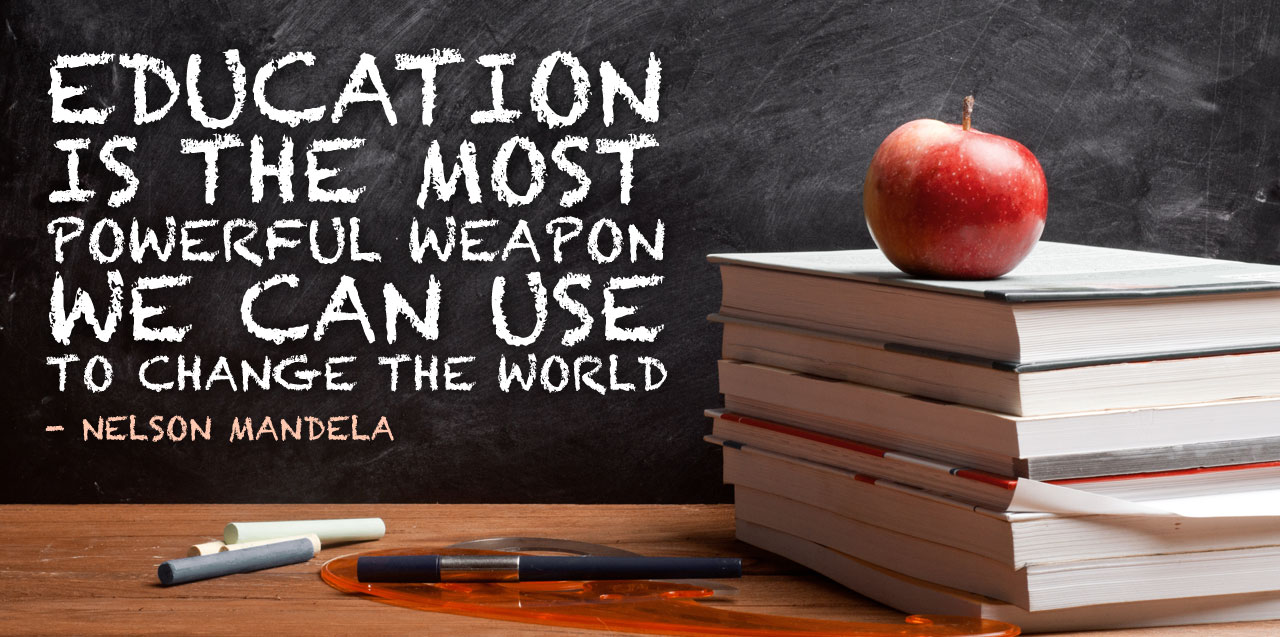
Education is
the process of facilitating learning,
or the acquisition of knowledge, skills, values, beliefs,
and habits.
Educational methods include storytelling, discussion, teaching, training,
and directed research. Education
frequently takes place under the guidance of educators, but learners may also educate themselves. Education can
take place in formal or informal settings
and any experience that
has a formative effect on the way one thinks, feels, or acts may be considered
educational. The methodology of teaching is called pedagogy.
Education, discipline that
is concerned with methods of teaching and learning in schools
or school-like environments as
opposed to various non formal and informal means of socialization (e.g.,
rural development projects and education through parent-child relationships).
Education can be
thought of as the transmission of the values and accumulated knowledge of a
society. In this sense, it is equivalent to what social scientists term socialization or
enculturation. Children—whether conceived among New Guinea tribespeople,
the Renaissance Florentines, or the middle classes of Manhattan—are born
without culture.
Education is designed to guide them in learning a culture, moulding their
behaviour in the ways of adulthood, and directing
them toward their eventual role in society. In the most primitive cultures,
there is often little formal learning—little of what one would ordinarily call
school or classes or teachers.
Instead, the entire environment and
all activities are frequently viewed as school and classes, and many or all
adults act as teachers. As societies grow more complex, however, the quantity
of knowledge to be passed on from one generation to the next becomes more than
any one person can know, and, hence, there must evolve more selective and
efficient means of cultural transmission. The outcome is formal education—the
school and the specialist called the teacher.
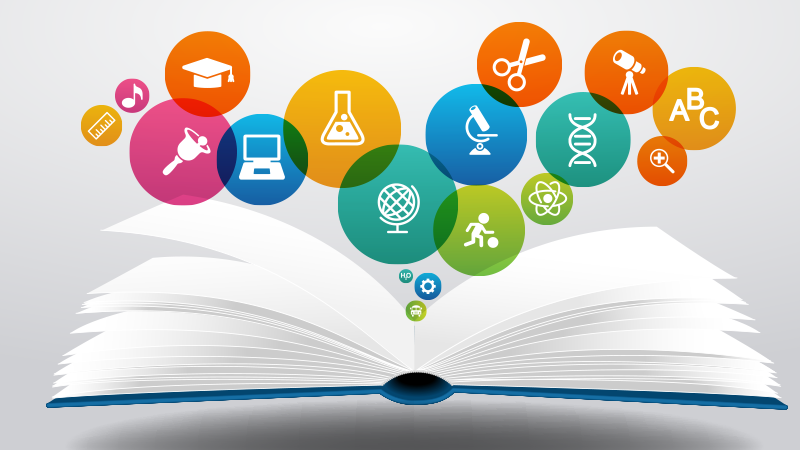
Education is
commonly divided formally into such stages as preschool or kindergarten, primary school, secondary school and then college, university, or apprenticeship. A right to
education has been recognized by some governments and the United Nations. In most regions,
education is compulsory up
to a certain age.
As society becomes
ever more complex and schools become ever more institutionalized, educational
experience becomes less directly related to daily life, less a matter of
showing and learning in the context of
the workaday world, and more abstracted from practice, more a matter of
distilling, telling, and learning things out of context. This concentration of
learning in a formal atmosphere allows children to learn far more of their
culture than they are able to do by merely observing and imitating. As society
gradually attaches more and more importance to education, it also tries to
formulate the overall objectives, content, organization, and strategies of
education. Literature becomes laden with advice on the rearing of the younger
generation. In short, there develop philosophies and theories of education.

History of education, tracing the evolution of the formal
teaching of knowledge and skills from prehistoric and ancient times to the
present, and considering the various philosophies that have inspired the
resulting systems. Other aspects of education are treated in a number of
articles. For a treatment of education as a discipline, including educational
organization, teaching methods, and the functions and training of
teachers, see teaching; pedagogy; and teacher
education. For a description of education in various specialized
fields, see historiography; legal education; medical
education; science,
history of. For an analysis of educational philosophy, see education,
philosophy of. For an examination of some of the more important aids
in education and the dissemination of knowledge, see dictionary; encyclopaedia; library; museum; printing; publishing, history of.
Some restrictions on educational freedom are discussed in censorship. For an
analysis of pupil attributes, see intelligence,
human; learning
theory; psychological
testing.

Comments
Post a Comment